
Home Rituals
How to Make Your Home Smell Like a Luxury Hotel
Kebaabetswe Sebola4 March 20255 min read
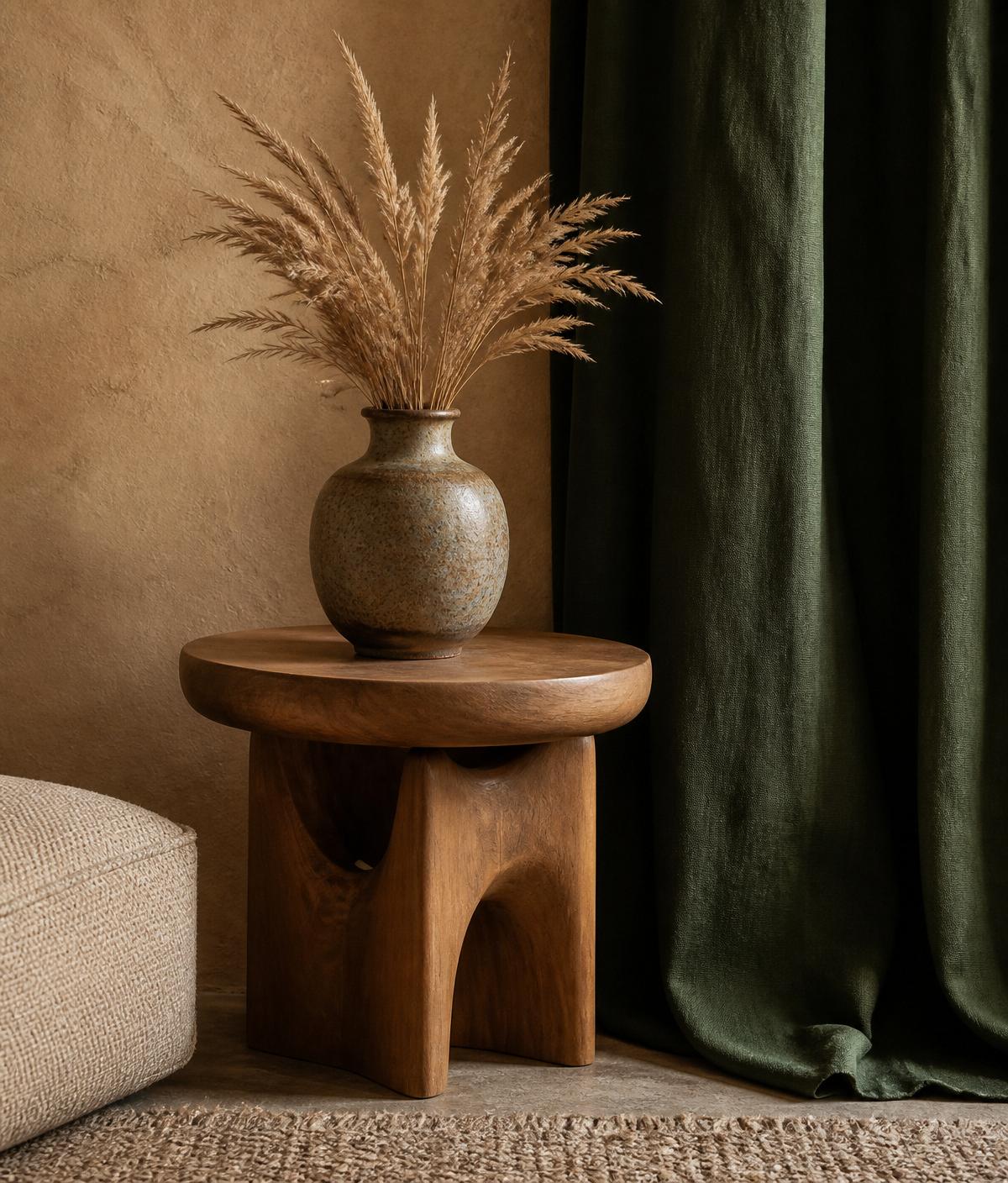
There is a moment, somewhere between the door closing behind you and your bag hitting the floor, when a great hotel tells you exactly who it is. Not with marble, not with thread count — with scent. It arrives before the view does, and it stays with you long after checkout.
Scent is architecture you cannot see
Luxury hotels do not perfume a room; they compose one. A single fragrance runs from the lobby through the corridors and into the suite, shifting in intensity but never in character. That consistency is what makes a space feel considered. When your home smells like three different ideas in three different rooms, the eye reads luxury but the nose reads improvisation.
Begin by choosing one house scent — the fragrance you want people to associate with your home. At Tsema we often suggest something with structure and warmth: Luxury Riesling for entertaining spaces, Vetiver for studies and studies-that-are-really-offices, Perfect Vanilla for homes that want to feel like an exhale.
Layer in three heights
The trick hotels use is verticality. Fragrance is placed low, at eye level, and in the textiles.
Low: a reed diffuser on a console or side table, where air moves as people walk past. Movement is what carries scent through a room, which is why a diffuser tucked into a still corner always underperforms.
Eye level: bathrooms, entrance halls and hallway shelves. These are transition spaces, and transitions are where scent registers most strongly. A single diffuser at your entrance does more work than three in a lounge.
Textiles: this is the step most homes skip. A linen mist on bedding, curtains, sofa cushions and the inside of a wardrobe holds fragrance far longer than air does, and releases it slowly as fabric is touched and moved.
Respect the empty spaces
Restraint is the difference between luxury and a lobby that smells like an airport. Not every room needs a diffuser. Kitchens rarely do. Bedrooms want subtlety — a light mist on linen an hour before you sleep rather than a diffuser burning through the night.
Build the ritual
Turn your reeds once a week, always on the same day. Mist your bedding when you change it. Refresh the entrance diffuser before guests arrive. A hotel feels effortless because someone, somewhere, is doing something on a schedule. At home, that someone is you — and the schedule is short.
Do these things for a month and something quiet happens: you stop noticing the fragrance and start noticing its absence. That is the point. Luxury is not something you smell. It is something you miss when it is gone.